Yala is the southernmost province of Thailand, with an area of 4,521 square kilometres. It is the only landlocked province in the south. Yala is the border province with an interesting history, culture, and beautiful scenery. The province has a unique mixture of cultural heritage of several groups: Thai, Chinese, and Malay. The city centre has systematic town planning and is one of the educational centres of the south as well.
The word "Yala" was derived from the local word "yalo" meaning "fish net". Yala used to be a part of Pattani, a colony of the Sukhothai Kingdom. In B.E. 2310 when Ayutthaya fell to the Burmese, the southern colonies became independent. During the reign of King Rama I of the Rattanakosin Dynasty, the King sent his brother, Khrom Phra Ratchawangbowon Maha Surasihanat to take Pattani. In B.E. 2351, the King had Pattani separated into 7 smaller colonies, namely Mueang Pattani, Mueang Sai Buri, Mueang Nong Chik, Mueang Yaring, Mueang Ra Ngae, Mueang Raman, and Mueang Yala. Yala had changed its rulers many times before Monthon was abolished in B.E. 2476 and finally became one of the provinces of Thailand.
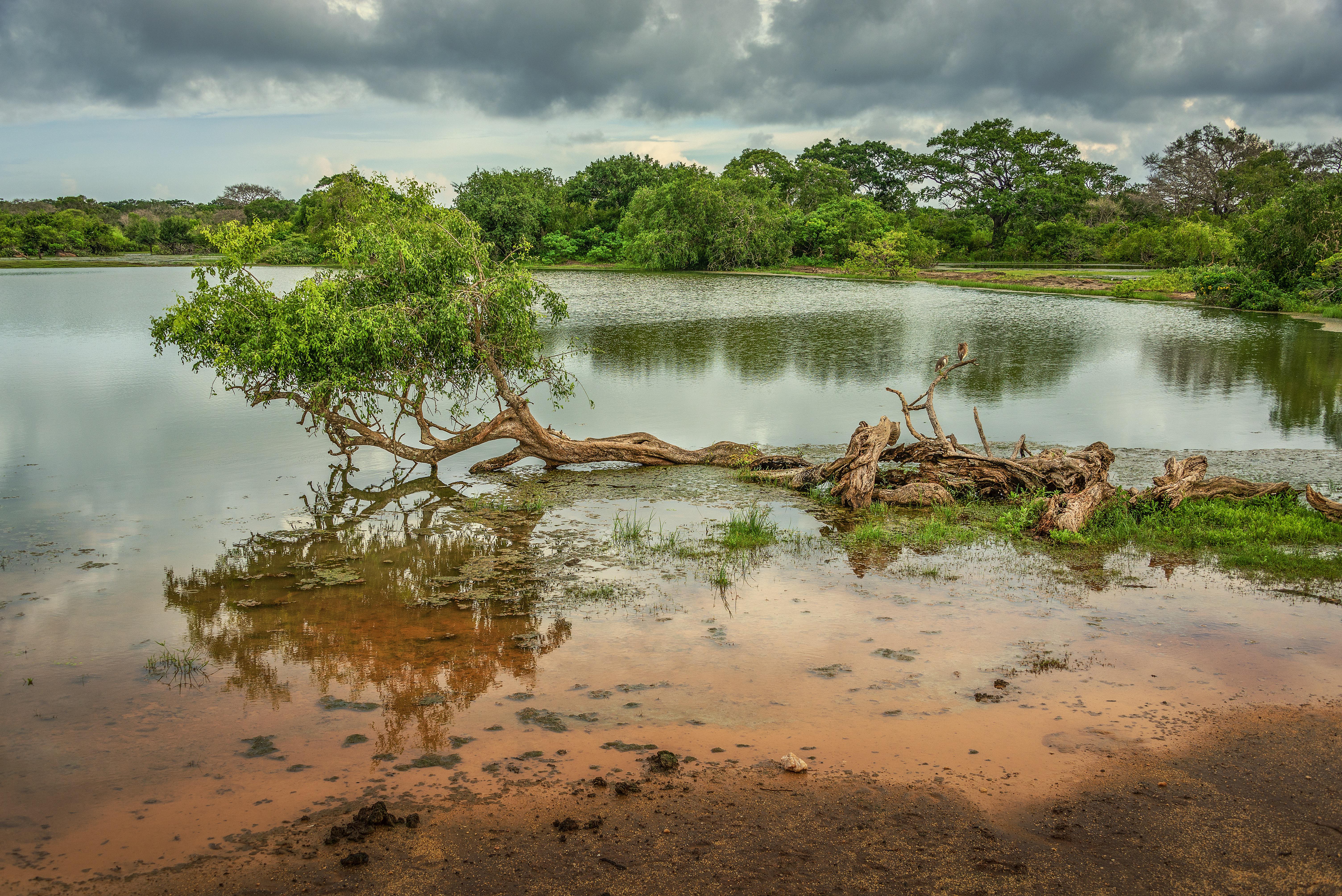
Yala’s history is as compelling as its wildlife, adding depth and meaning to any visit. Long before it became Sri Lanka’s most famous national park, the Yala region was home to ancient civilizations. Archaeological evidence shows that people lived in this area over 2,000 years ago, drawn by access to water, fertile land, and coastal resources. Scattered throughout the park are ruins of ancient monasteries, dagobas, stone pillars, and irrigation systems, revealing that Yala once supported thriving communities and Buddhist monastic life.
During the era of the Sinhalese kingdoms, Yala lay close to important ancient cities such as Magama, which played a key role in early Sri Lankan history. The region was part of an advanced hydraulic civilization, with reservoirs and canals used to manage water in a dry climate. As political power shifted inland and invasions increased, settlements in Yala were gradually abandoned, allowing nature to reclaim the land.
In the colonial period, Yala took on a different role. Under British rule, the area was used primarily as a hunting ground for colonial officials. Recognizing its ecological value, the British later designated Yala as a protected area, and in 1938 it was officially declared a national park. This marked a turning point, transforming Yala from a place of exploitation into one of conservation.
Today, Yala’s history enriches the travel experience. Visitors are not only exploring a wildlife sanctuary but also walking through a landscape shaped by centuries of human presence, spiritual devotion, and natural recovery. The blend of ancient ruins, cultural heritage, and protected wilderness makes Yala a destination where history and nature are deeply intertwined.